THE GREAT LEATHER LIE: WHY VEGAN LEATHER ISN’T THE SUSTAINABLE HERO YOU THINK IT IS
The great leather lie: Why vegan leather isn't the sustainable hero you think it is.
The Truth About Real Leather vs. The “Eco-Friendly” Alternatives
Sustainability is the buzzword of our times. Everyone wants to make the right choice, the ethical choice, the better choice. And in the battle of materials, real leather has been demonized while “vegan leather” and “recycled leather” are praised as saviors of the planet.
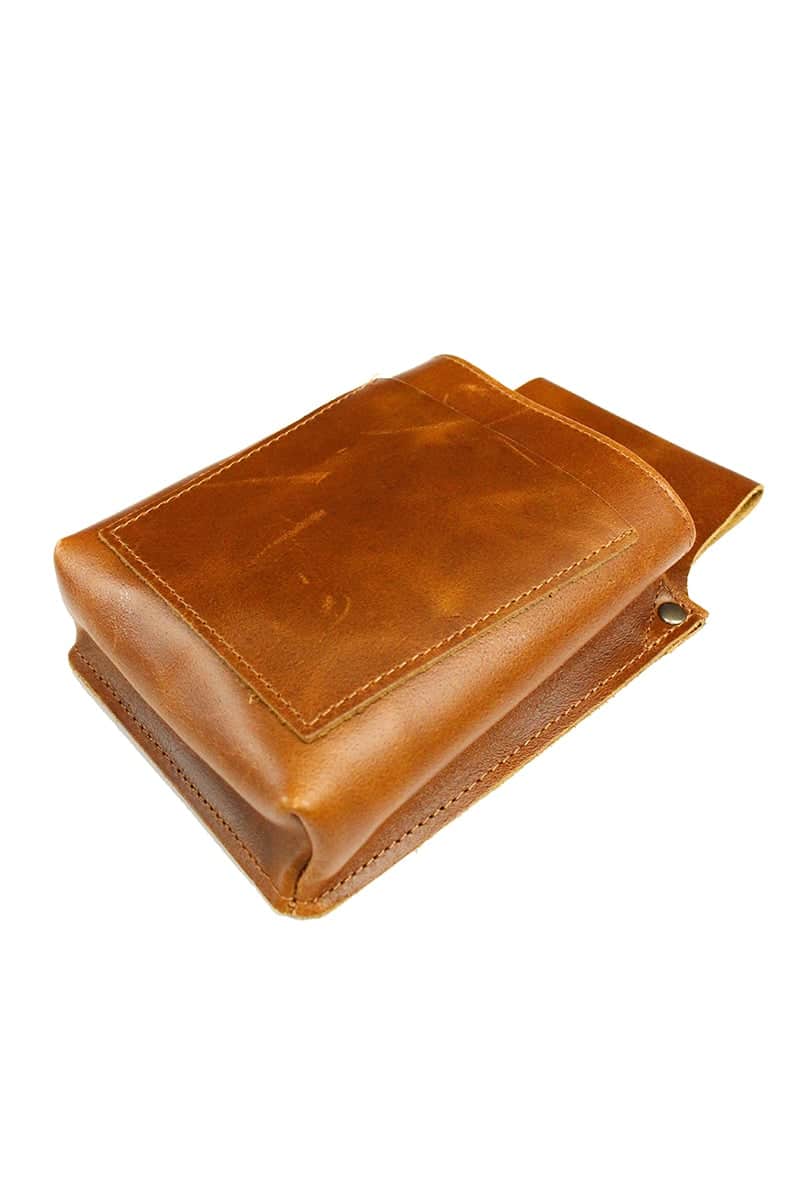
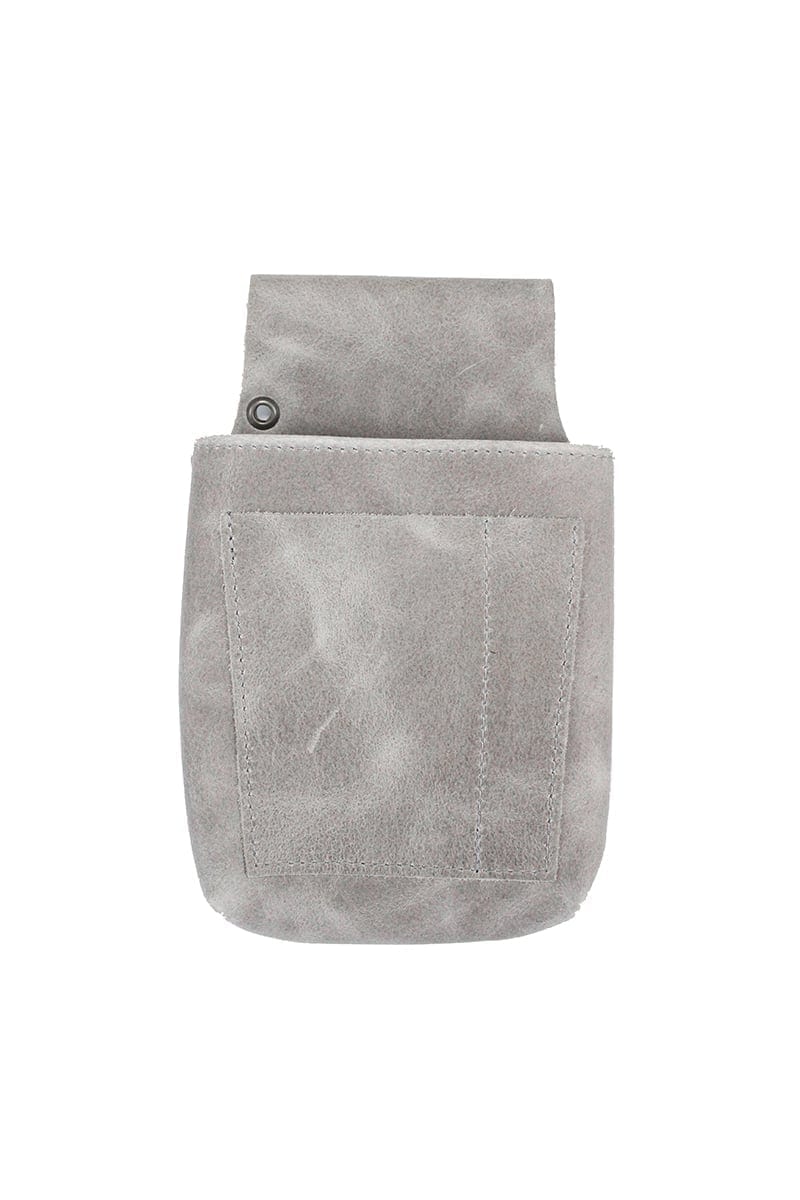
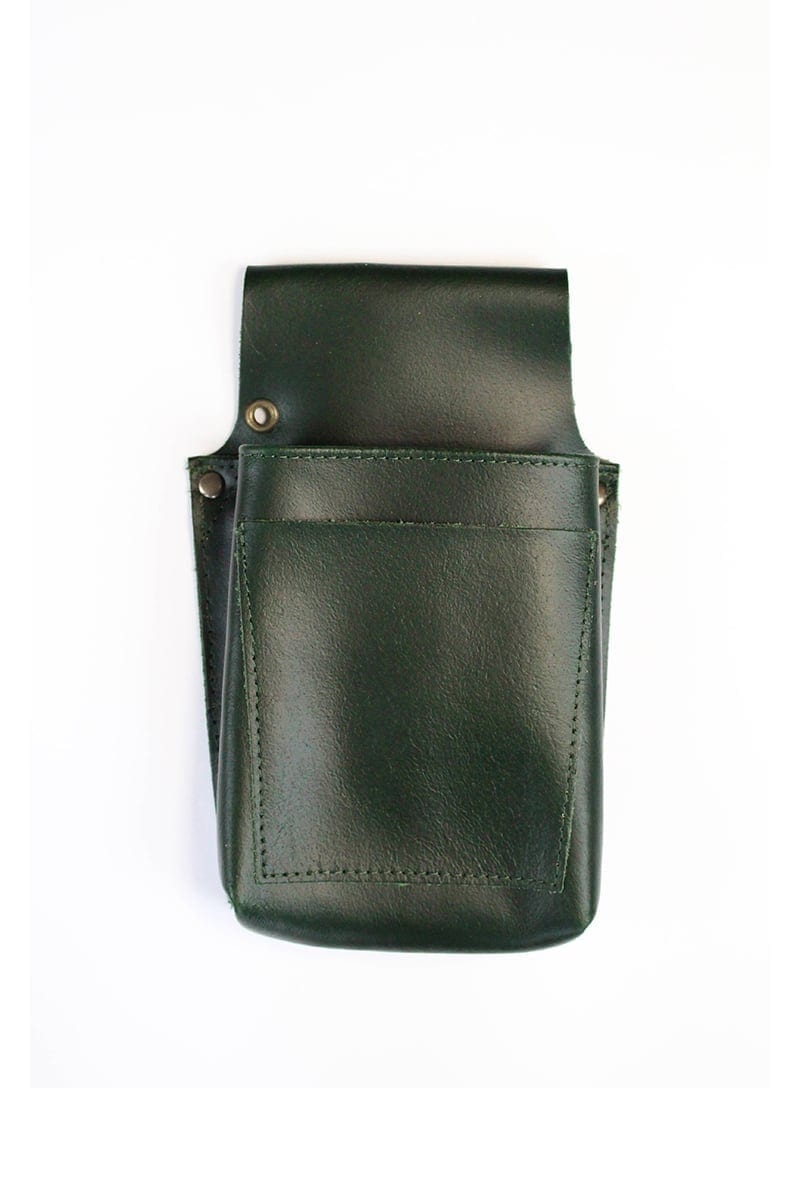
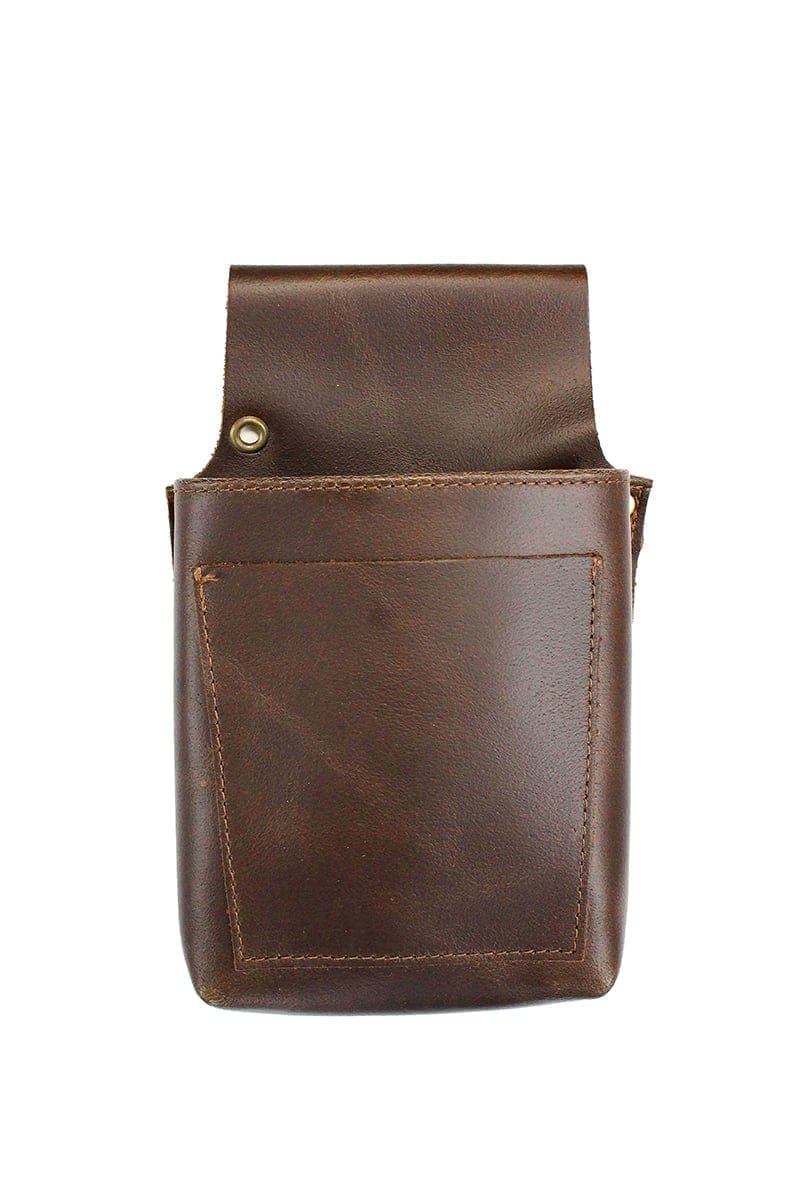
But let’s cut through the marketing noise and get real about what’s actually happening. As a company that has been working with leather for over a decade, we’ve done our research, tested the alternatives, and let us tell you: real leather—when sourced responsibly—is by far the most sustainable option.
Leather: The Original Sustainable Material
Did you know that leather is a byproduct of the meat industry? As long as people eat meat, animal hides will exist. If we don’t turn them into leather, they become waste—piling up in landfills or getting incinerated.
So, let’s think about that for a second: leather already exists because of meat consumption. It’s not like cows are raised just for their hides—hides are what’s left over. Turning them into a durable, long-lasting material is one of the most sustainable things we can do. And when leather is tanned correctly, it lasts a lifetime, unlike cheap, synthetic alternatives that break down quickly and need to be replaced.
At Stalwart Crafts, we only use leather from a Leather Working Group (LWG) certified tannery—meaning the leather we source is processed under strict environmental and ethical standards. You can learn more about LWG here: www.leatherworkinggroup.com
The Dark Side of "Sustainable" Vegan Leather
The vegan leather movement tells you it’s better for the planet. But let’s pull back the curtain and expose the truth:
1. Recycled Leather? More Like “Glued-Together Scraps”
Sounds amazing, right? Old leather bags and shoes turned into something new? Nope. That’s not how it works.
Recycled leather is made from tiny leather shavings and scraps collected during the tanning process. But here’s the kicker: these scraps can’t be turned back into a solid leather sheet. Instead, they are shredded and glued together with chemicals and plastic binders to make a “leather-like” material. So instead of a natural, durable product, you get a plastic-heavy, chemical-laden imitation. How is that more sustainable?
2. Vegan Apple Leather? 50% Plastic, 50% Illusion
Apple leather sounds revolutionary—who wouldn’t want a material made from fruit? But here’s what they don’t tell you: apple leather is usually only 50% apple pulp. The other half? Plastic.
That’s right—vegan leather is rarely 100% plant-based. It relies on fossil-fuel-derived plastic to give it durability. And when you throw it away? It doesn’t biodegrade like real leather. Instead, it breaks down into microplastics that end up in our oceans and food chain.
Worse yet? The cost of producing vegan leather has skyrocketed. We once bought apple leather for £20 per square meter, but now the price has more than doubled—all because energy costs have soared. It turns out, making this “eco-friendly” alternative requires a huge amount of energy. So… just how green is it, really?
The Carbon Footprint Lie
One of the biggest arguments against real leather is its carbon footprint. Reports claim it’s worse than vegan leather. But are they telling the full story?
Most of these reports count the entire carbon footprint of raising a cow as part of leather’s footprint. But cows are raised for meat and dairy—not just for leather. If we only count the emissions from tanning and processing, real leather and vegan leather are almost identical in carbon footprint:
- Real leather (tanning & finishing): 3-10 kg CO₂e per square meter
- Vegan leather (PU-based): 5-10 kg CO₂e per square meter
- PVC-based vegan leather: 10-15 kg CO₂e per square meter (plus microplastics!)
- Bio-based vegan leather (e.g., apple, mushroom, cactus): 2-8 kg CO₂e per square meter (but still needs synthetic binders)
So let’s get this straight—real leather can be just as sustainable (if not more) than vegan leather, when sourced responsibly. And unlike plastic-based vegan options, it actually decomposes.
Old-School Wisdom: If It Ain’t Broke, Don’t Fix It
Leather has been used for centuries. It’s natural, it’s durable, and when treated properly, it can last a lifetime.
The push for leather alternatives is largely driven by marketing—not sustainability. Big companies know that “vegan” sells, so they create products that sound good on the surface but don’t hold up under scrutiny.
The reality? As long as people eat meat, using real leather is the most responsible and sustainable choice.
At Stalwart Crafts, we stand by real leather—ethically sourced, responsibly tanned, and made to last. Choose wisely. Choose sustainably. Choose leather.